


Can Too Much Screen Time Damage Your Eyes?
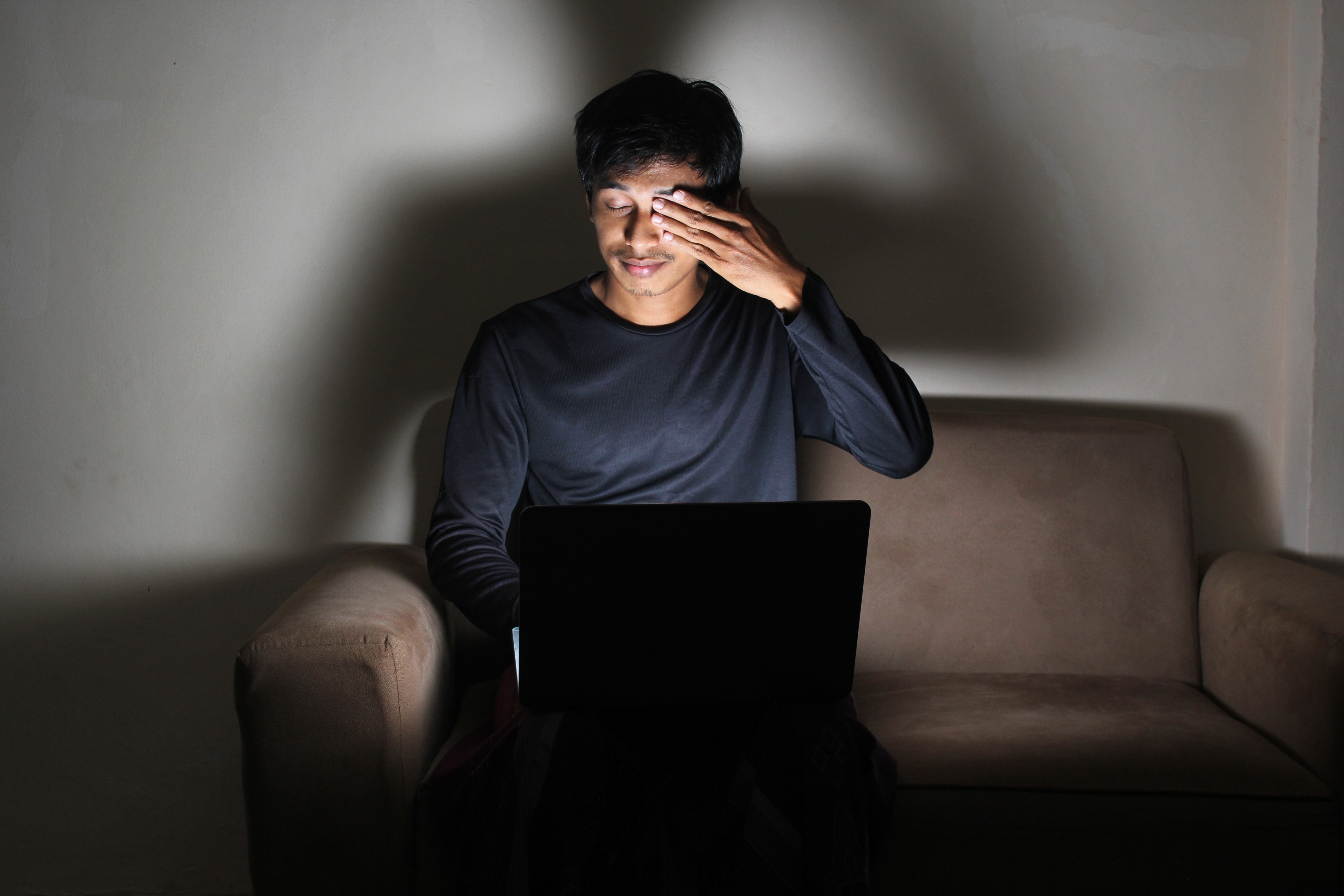
Think about your day for a moment. How much time do you spend looking at screens? Phones, computers, and tablets are part of daily life. You might have noticed tired eyes, headaches, or a dry, scratchy feeling after using them for a while.
So, can screen time harm your eyes? The short answer is yes. Some problems are temporary, but others can last, especially for children.
The Short-Term Problems
The most common issue is computer vision syndrome. Symptoms include:
- Tired, aching eyes
- Headaches
- Blurry vision that comes and goes
- Dry eyes
- Neck and shoulder pain
This happens because looking at screens is hard on your eyes. They need to focus and refocus often, and glare from the screen makes it harder. The good news is that this strain usually goes away if you take breaks and rest your eyes.
The Blinking Problem
Screens also change how often you blink, which you might not notice. Most people blink about 15 to 20 times a minute. Blinking spreads tears over your eyes and keeps them moist.
But when you use a screen, you might blink between five and seven times a minute. This lower blink rate is why your eyes can feel dry and gritty. They are not getting enough moisture, and with time, this will lead to chronic dry eye.
The Bigger Concern: Myopia in Children
Myopia means it is hard to see things far away because the eyeball grows too long.
Here is a surprising fact: myopia is becoming much more common around the world. Scientists think that by 2050, half of the world’s population could be short-sighted. Genetics plays a role, but the increase is occurring too quickly to be explained solely by genes. Something in our environment has changed.
That change is probably all the close-up work we do, and screens are a big part of it.
How Screens May Cause Permanent Damage
When children spend hours on screens, their eyes are always focused on things close by. This can make the eyeball grow longer than normal. Once that happens, it cannot return to its original shape. Myopia is permanent. Glasses can help with blurry vision, but the shape of the eye stays the same.
This matters because myopia raises the risk of serious eye diseases later in life, such as:
- Glaucoma
- Retinal detachment
- Cataracts
- Macular degeneration (which can lead to blindness)
So, screens do not actually “burn” your eyes. But the habits that come with using them can cause real, lasting damage over time.
What Actually Protects Your Eyes?
The best way to protect your eyes is simple: spend more time outdoors. Children who play outside are less likely to become short-sighted. It might be because of the bright natural light or looking at things far away. Whatever the reason, it helps.
Experts recommend:
- No more than two hours of screen time per day for school-age kids
- No screens at all for children under two
Adults can try the 20-20-20 rule. This rule requires an individual to take a break every 20 minutes, looking at something 20 feet away for 20 seconds. This gives your eyes a break. Also, make sure your workspace is well set up. Keep screens at arm’s length, use good lighting, and remember to blink often.
Remember to get your eyes checked regularly. Every two years is a good rule of thumb.
To learn more about how screen time affects your eyes, visit Iris Bright Optometry. We have offices in Irvine and El Cajon, California. Call (949) 585-9403 or (619) 447-8494 to book an appointment.
https://pmc.ncbi.nlm.nih.gov/articles/PMC10852174/
https://www.unsw.edu.au/newsroom/news/2024/01/is-too-much-screen-time-bad-for-our-eyes-


Irvine, CA
Call/Text:
(949) 585-9403
(949) 585-9403
Fax:
(949) 585-9162
(949) 585-9162
- Monday 9:00am - 6:00pm
- Tuesday 9:00am - 6:00pm
- Wednesday 9:00am - 6:00pm
- Thursday 9:00am - 6:00pm
- Friday 9:00am - 6:00pm
- Saturday 9:00am - 5:00pm
- Sunday 10:00am - 4:00pm
El Cajon, CA
Call/Text:
(619) 447-8494
(619) 447-8494
Fax:
(619) 441-0143
(619) 441-0143
- Monday 9:00am - 6:00pm
- Tuesday 9:00am - 6:00pm
- Wednesday 9:00am - 6:00pm
- Thursday Closed
- Friday 9:00am - 6:00pm
- Saturday 9:00am - 5:00pm
- Sunday 9:00am - 3:00pm
© 2026 Iris Bright Optometry. All rights Reserved. Accessibility Statement - Privacy Policy - Sitemap
Powered by:
